酒店餐饮,效率的驱动力量
酒店在提升整体效率方面,餐饮部门是关键部分,通过引入现代科技和管理方法,酒店可以显著提升餐饮服务质量,同时优化员工满意度,推动数字化转型,从而实现更高效和更优质的服务。
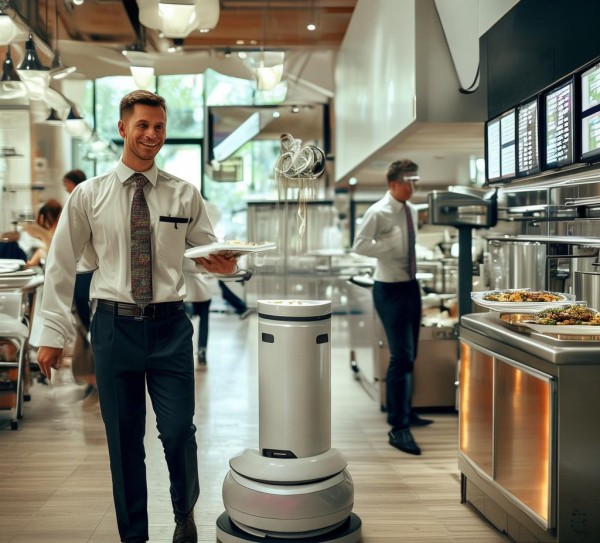
In the highly competitive hospitality industry, optimizing the operations of the dining department is crucial to ensure guest satisfaction and operational efficiency. As the hospitality sector continues to evolve, the demand for effective management practices in the dining department has grown significantly. This article explores the importance of the dining department in the hospitality industry, identifies the key challenges it faces, and proposes solutions to enhance its performance.
The dining department plays a pivotal role in shaping the guest experience at hotels and other hospitality institutions. However, this department is often burdened by several challenges, including limited resources, insufficient staff training, and poor communication between staff and guests. These issues can lead to inefficiencies, reduced guest satisfaction, and higher operational costs.
One of the primary challenges in the dining department is the uneven distribution of resources. Hotels often struggle to allocate the necessary resources to meet the diverse needs of their guests. For example, some rooms may not have the capacity to accommodate high-quality food and entertainment, leading to underutilization and potential waste. Similarly, the lack of proper training in the dining staff can result in poor service quality, leading to negative reviews and lost customers.
Another challenge is the poor communication between the dining staff and the management team. While the staff can be effective in their roles, they often struggle to communicate with management regarding food and service requests. This lack of communication can lead to delays in delivering high-quality service, which in turn affects guest satisfaction and loyalty.
Challenges and Solutions for the Dining Department
To address these challenges, hotels can take several steps to enhance the performance of the dining department. One effective solution is to optimize the allocation of resources to ensure that all rooms and staff have the necessary capacity to meet the demands of the guests. This can be achieved through the use of technology to monitor demand in real-time and adjust staff assignments accordingly.
Additionally, the dining staff should receive comprehensive training in proper food and service protocols. This training should be delivered in a way that is accessible to all staff members, regardless of their experience. By providing training, hotels can ensure that staff members are equipped to deliver high-quality service consistently.
Finally, hotels can improve communication between the dining staff and management by implementing regular reports and feedback mechanisms. These reports can provide insights into the performance of the dining department and help identify areas for improvement. By fostering open communication, hotels can enhance the dining department's performance and improve guest satisfaction.
Future Outlook for the Dining Department
Looking ahead, the dining department will continue to play a critical role in the hospitality industry. As technology advances, hotels will increasingly rely on digital tools to enhance the dining experience. For example, hotels can use AI and machine learning to predict demand and optimize staff assignments, leading to more efficient operations. Furthermore, the rise of personalized services, such as customized dining packages, will further improve guest satisfaction and loyalty.
In conclusion, the dining department is a vital component of the hospitality industry, and its performance directly impacts the success of hotels and other hospitality institutions. By addressing the challenges faced by the dining department and implementing effective solutions, hotels can enhance the performance of the dining department, improve guest satisfaction, and drive growth in the hospitality sector.
References